
Find your next great stem.
Explore the farm’s flowers, branches, and natural materials. Get to know the varieties, see real farm photographs, and connect your ideas to current availability.
17 guides · seasonal examples, not a live stock list
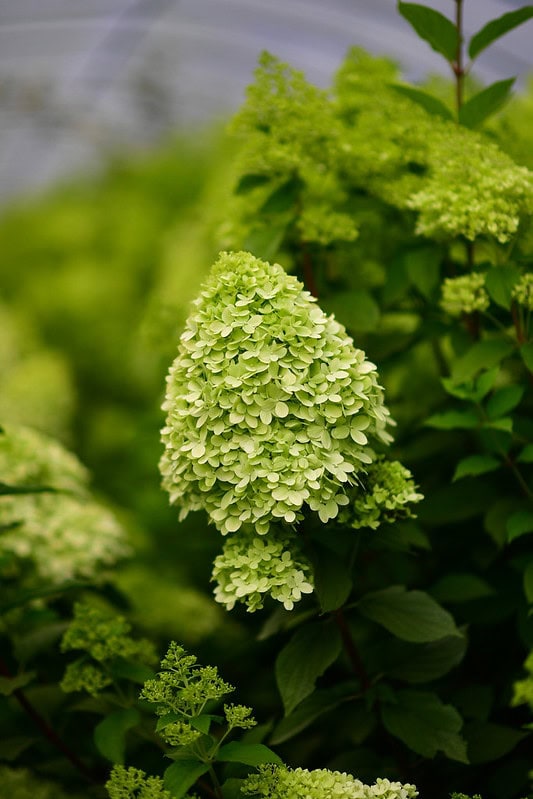
Hydrangeas
A whole world of coastal color: generous mopheads, intricate lacecaps, lime-green panicles, and the layered shades of antique blooms.
Summer into fall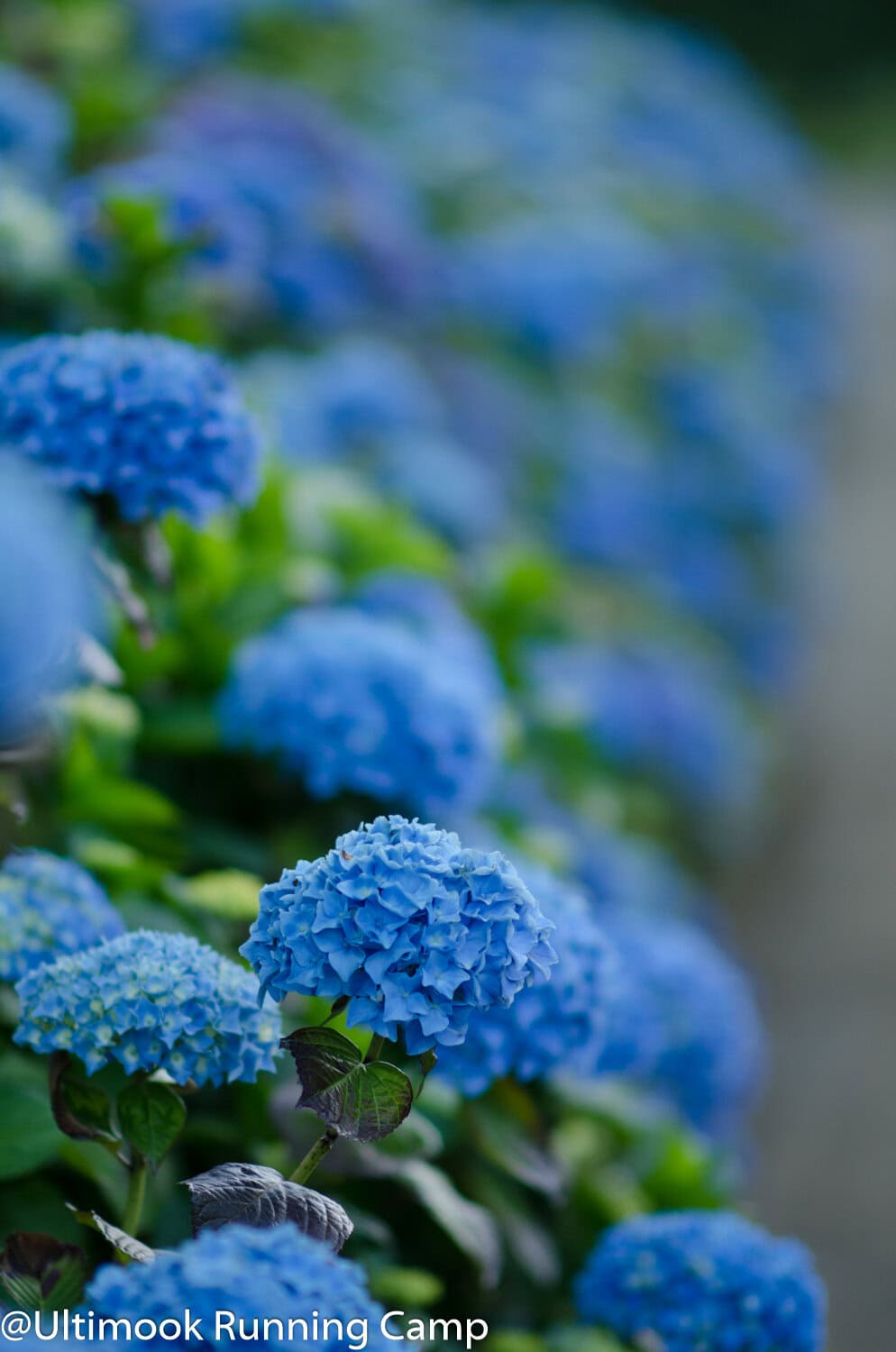
Mophead hydrangeas
Full, rounded heads in blue, lavender, and purple. These are the blooms to reach for when color and volume lead the design.
Typical peak: July–September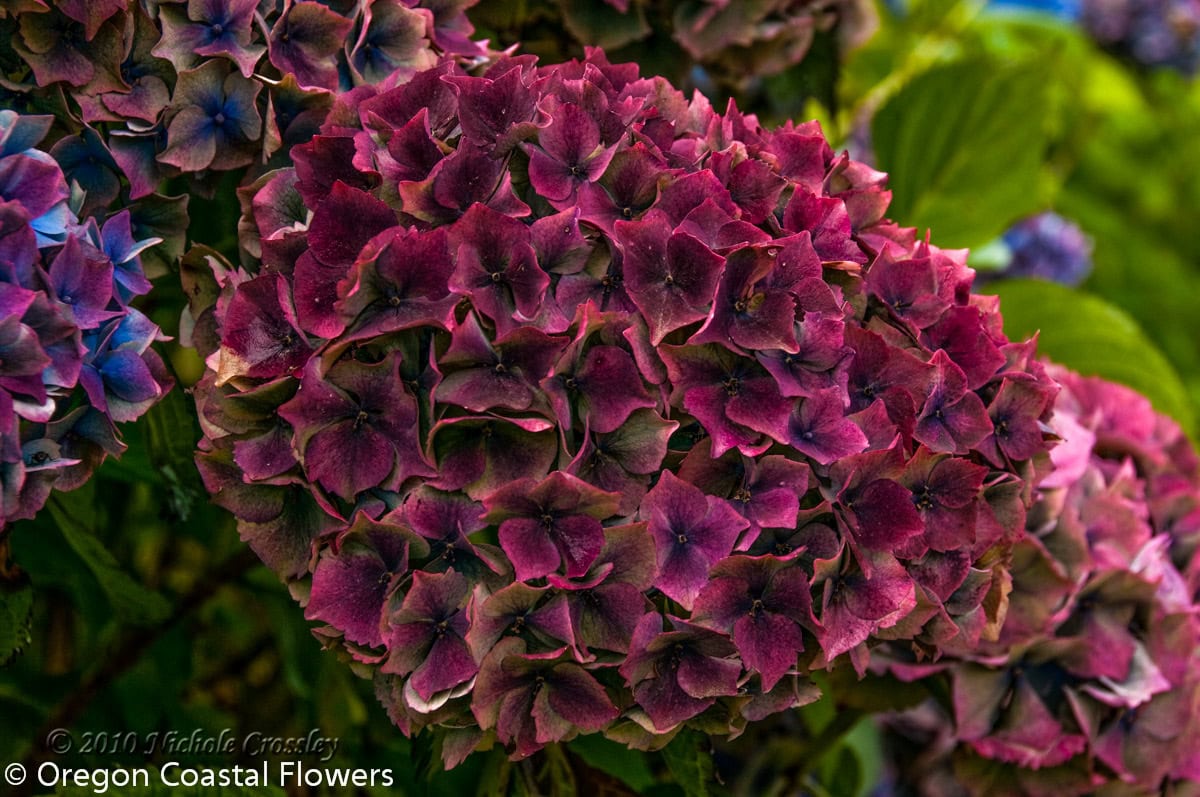
Antique hydrangeas
Layered burgundy, jewel, green, and lavender tones bring depth to late-season designs. Each harvest has its own balance of color.
Typical peak: August–October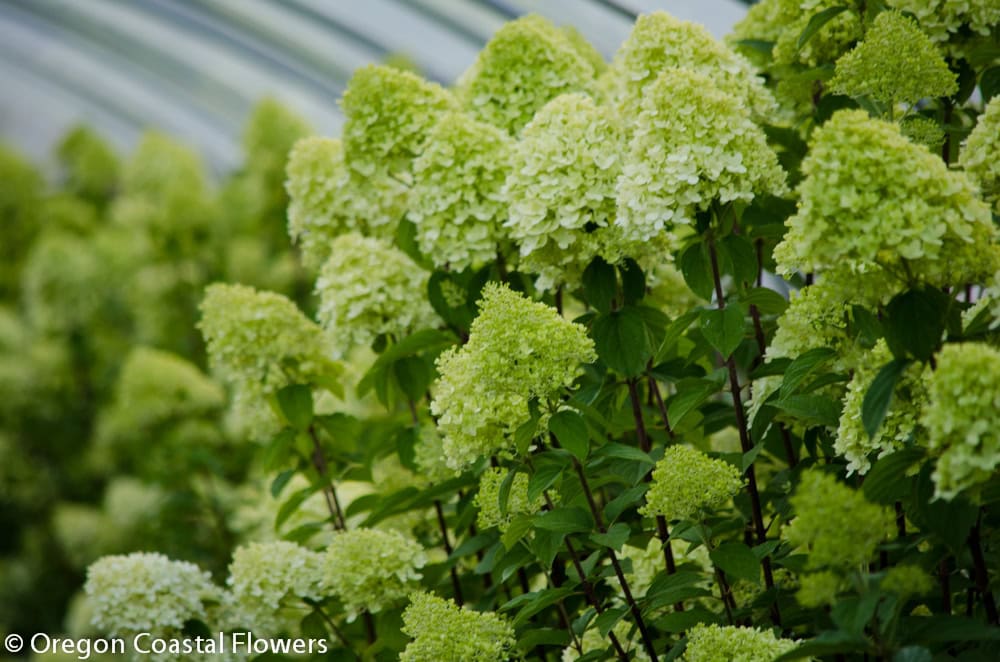
Limelight hydrangeas
Lime-green blooms that move toward blush and warmer antique tones as the season progresses. A bold choice for generous, architectural designs.
Typical peak: July–September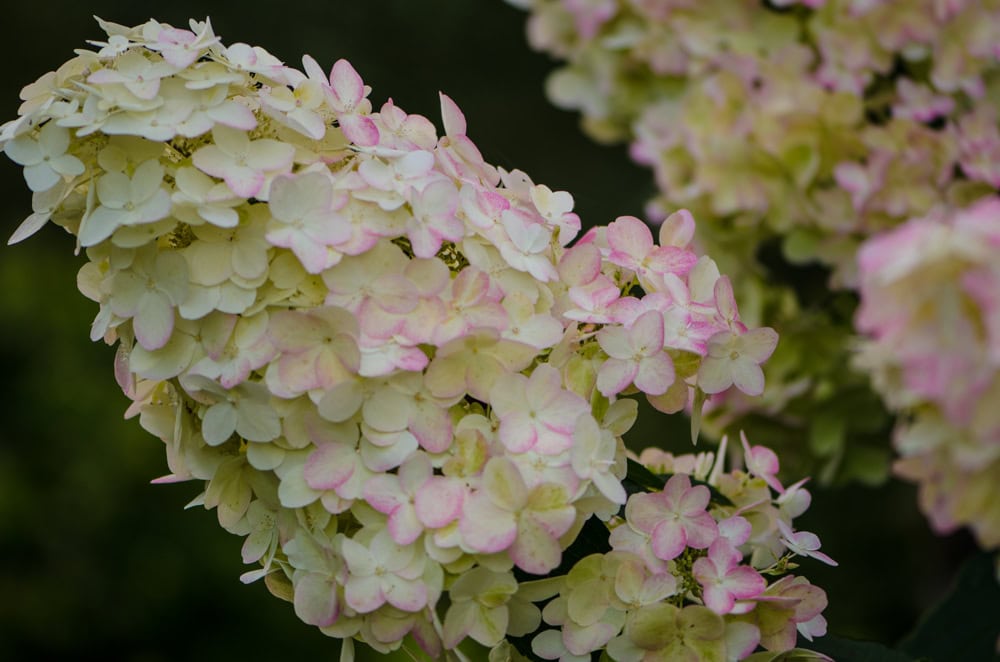
Pee Gee hydrangeas
Conical panicles and longer stems bring height and movement. Cream blooms develop pink and green tones as they mature.
Typical peak: late August–October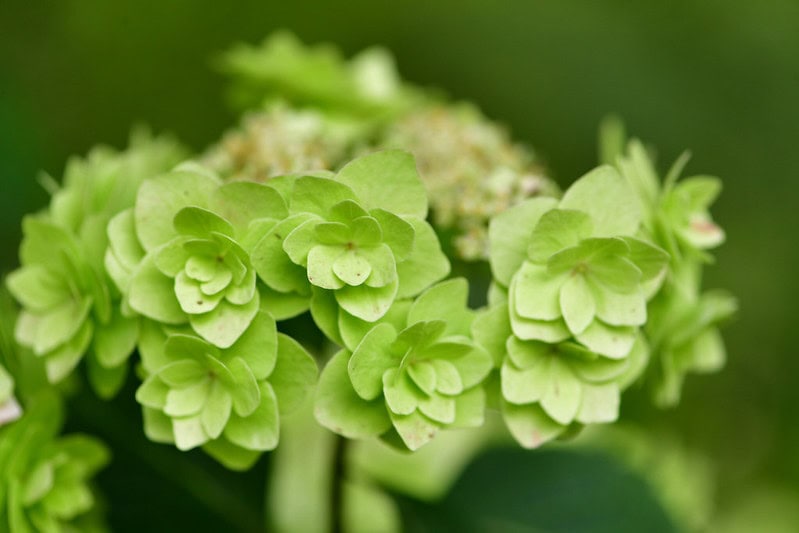
Specialty hydrangeas
Double forms, lacecaps, bi-colors, and unusual selections for designs where the small details matter.
Variety-dependent seasonal harvests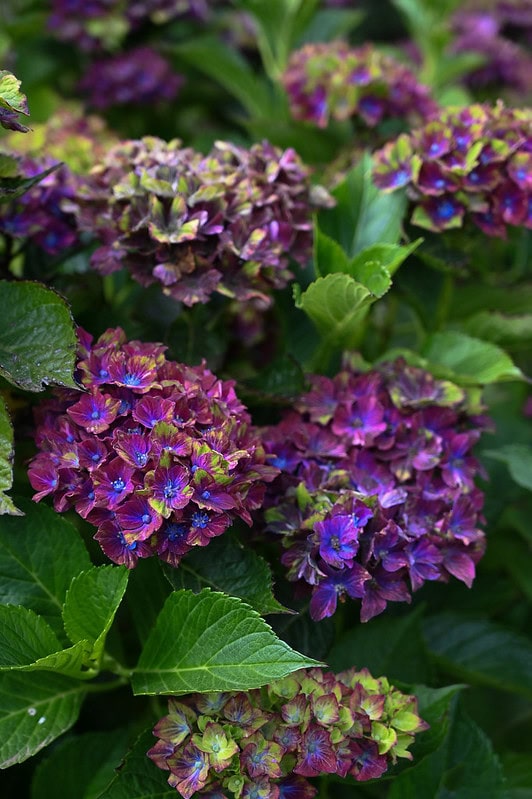
Pistachio hydrangeas
Soft green with rosy-burgundy shifts. Smaller, refined heads add subtle color and a beautifully layered finish.
Typical peak: July–September; antique tones vary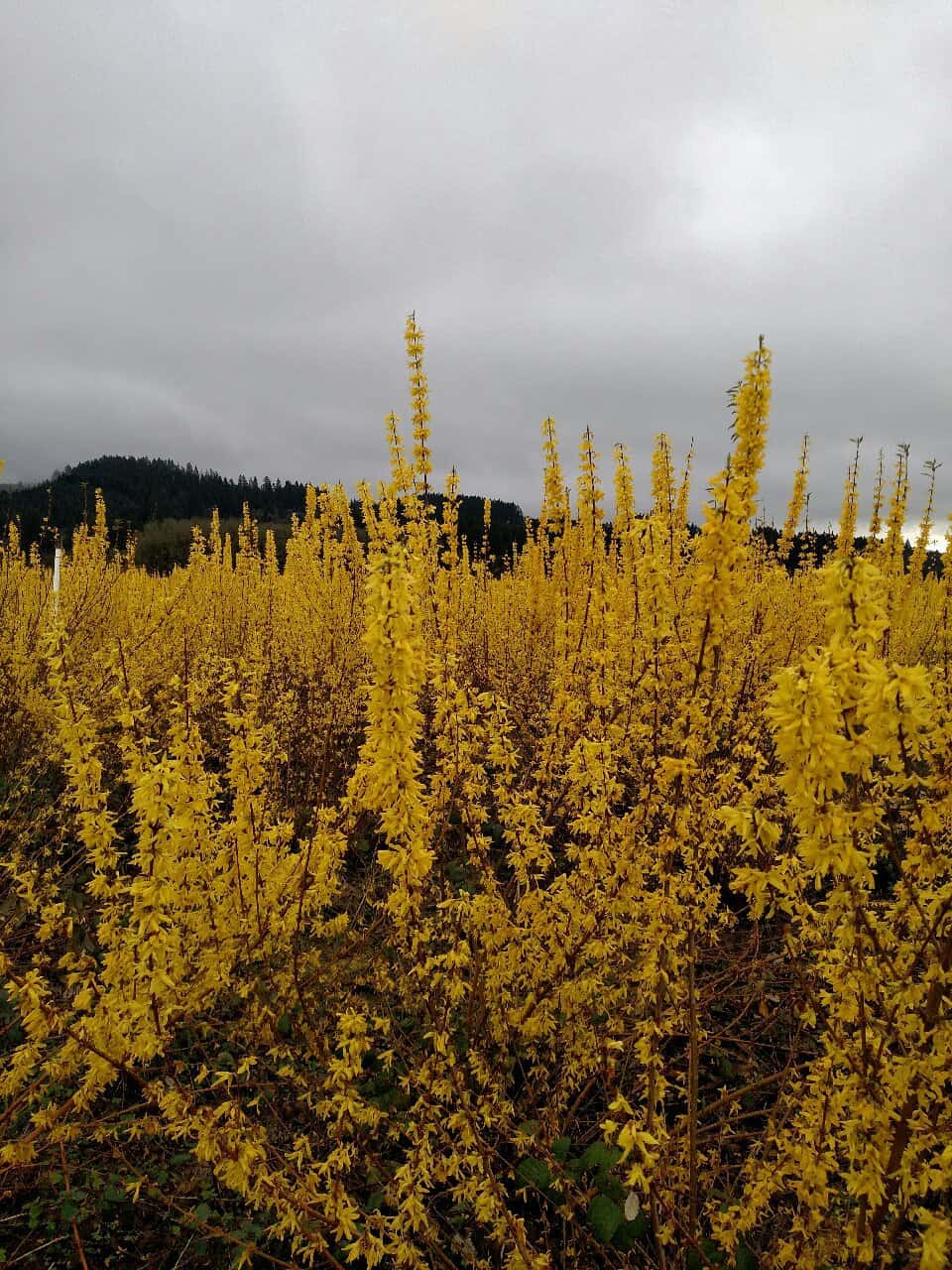
Flowering branches
Bring the orchard indoors. Forsythia, quince, cherry, magnolia, and dogwood offer scale, movement, and a changing sequence of blooms.
Winter through spring; some extended seasonsForsythia
Bright yellow flowering branches for early-season displays and Chinese New Year programs. Available sizes range from tips to extra-tall stems.
Typical peak: late January–March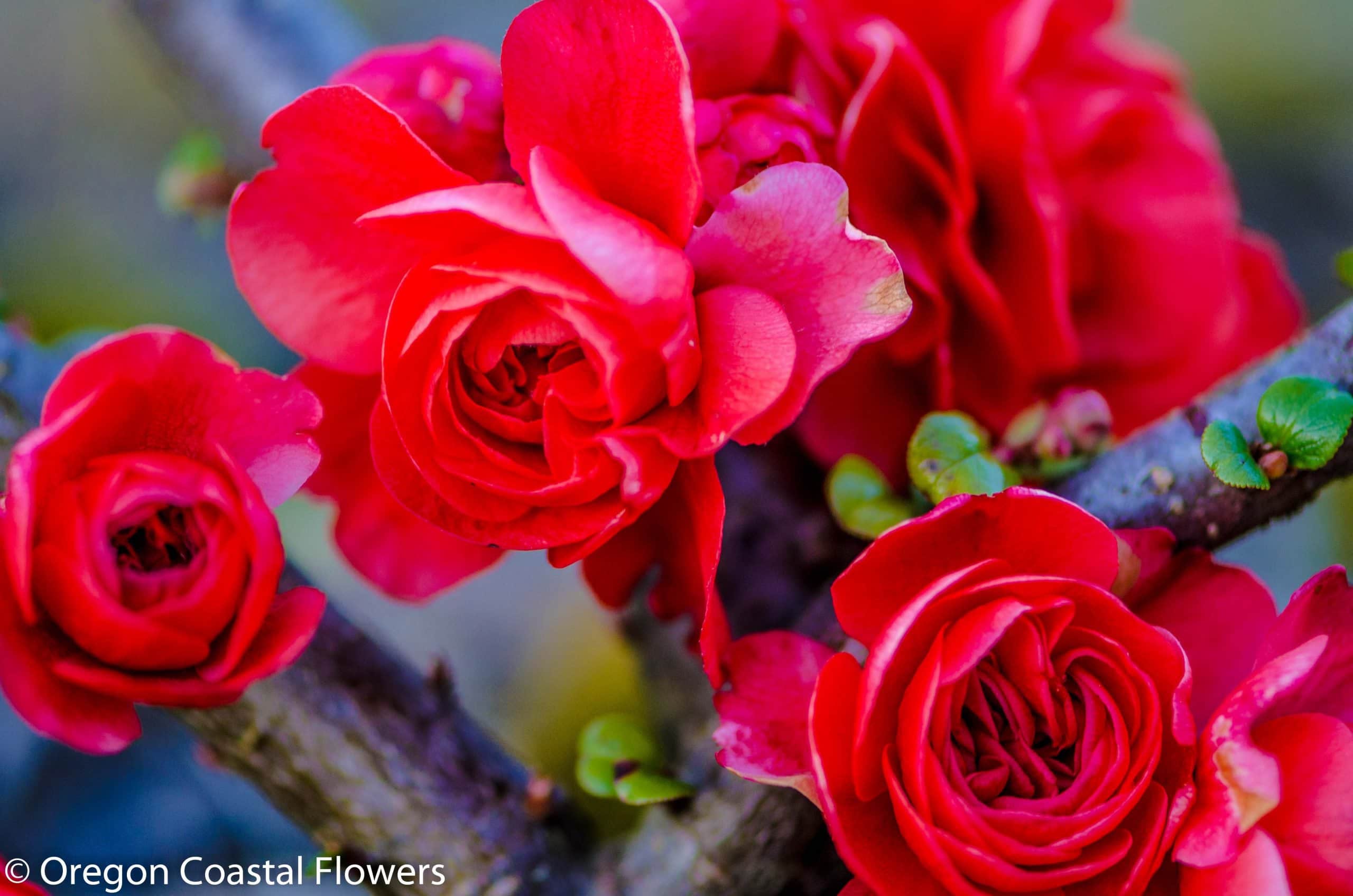
Double quince
Abundant double blooms and rich red color make quince a striking seasonal focal. Early forcing may produce lighter antique or blush tones.
Typical peak: late January–March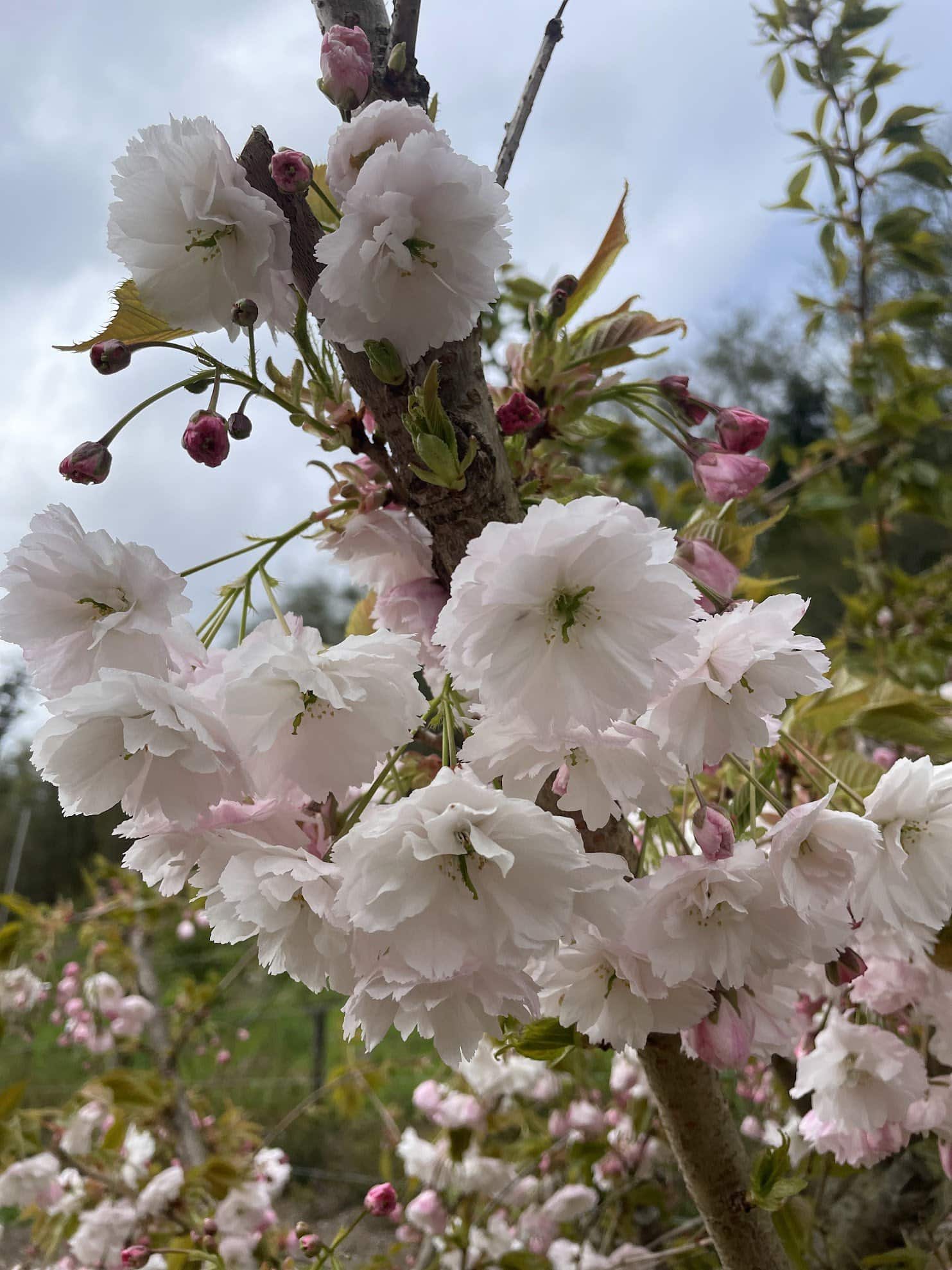
Cherry blossoms
Single white and double pink lead the early season, followed by double-white selections. Natural spring bloom offers a spectacular display.
Late January–June/July, depending on variety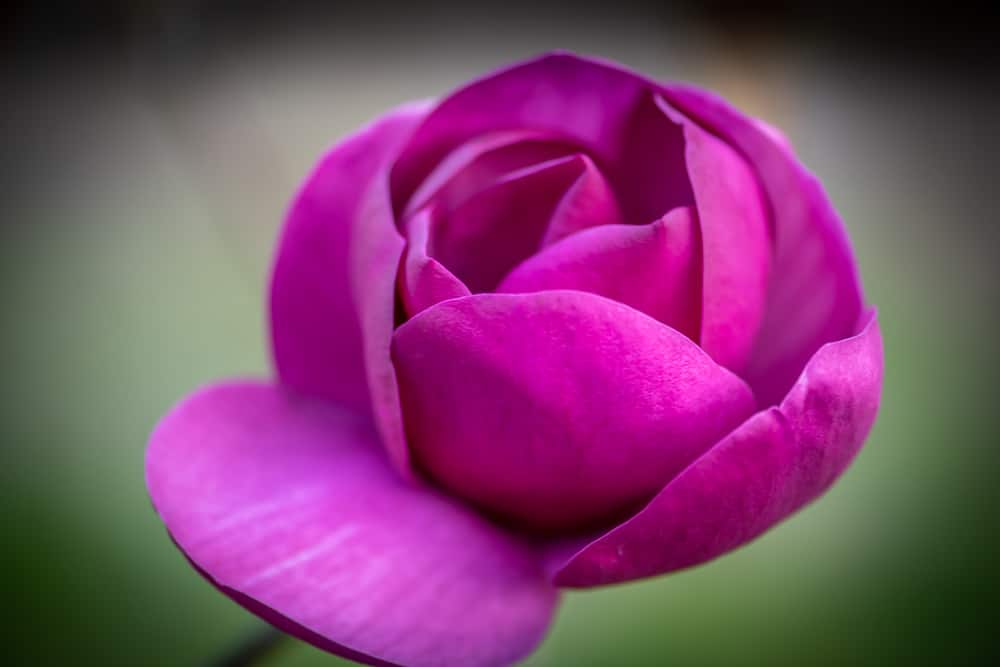
Tulip magnolia
Large, sculptural buds open into dramatic flowers. Even before bloom, these branches can serve as striking winter specimens.
Typical season: December–May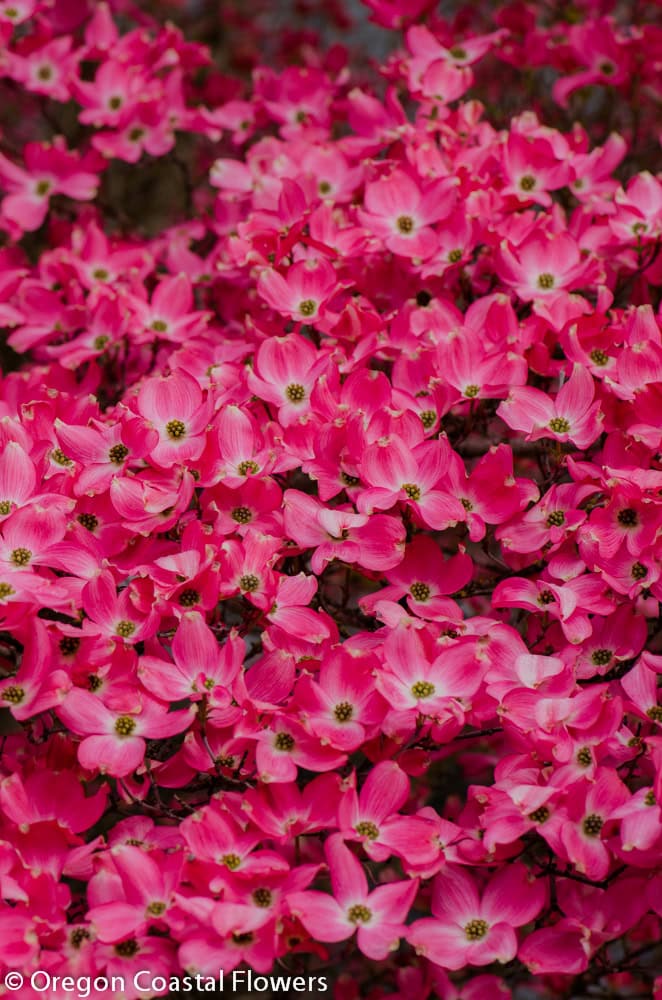
Flowering dogwood
Layered bracts and graceful branching give dogwood a distinctive late-spring presence. Flowering dogwood is different from red twig dogwood and dogwood foliage.
Natural bloom: April–May; some later harvests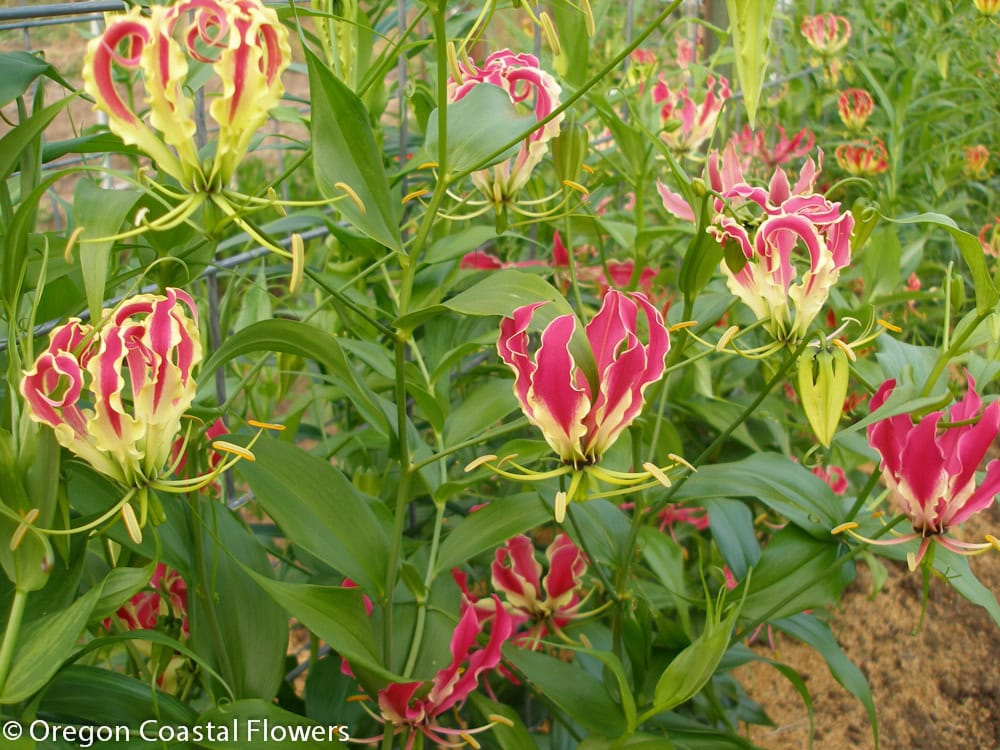
Specialty cut flowers
The unexpected stems that give an arrangement its signature: distinctive flowers, vines, pods, and seasonal textures.
An evolving spring-to-fall selection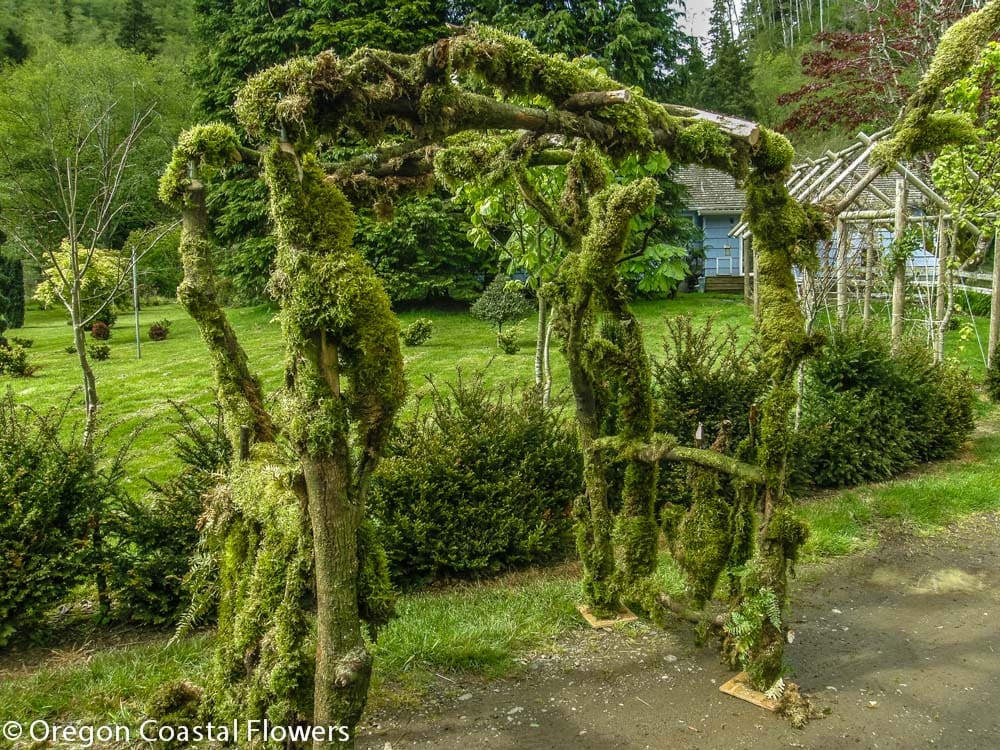
Forest & natural materials
Mosses, branches, poles, and wood pieces bring the character of the Northwest into floral installations and displays.
Year-round program; confirm current stock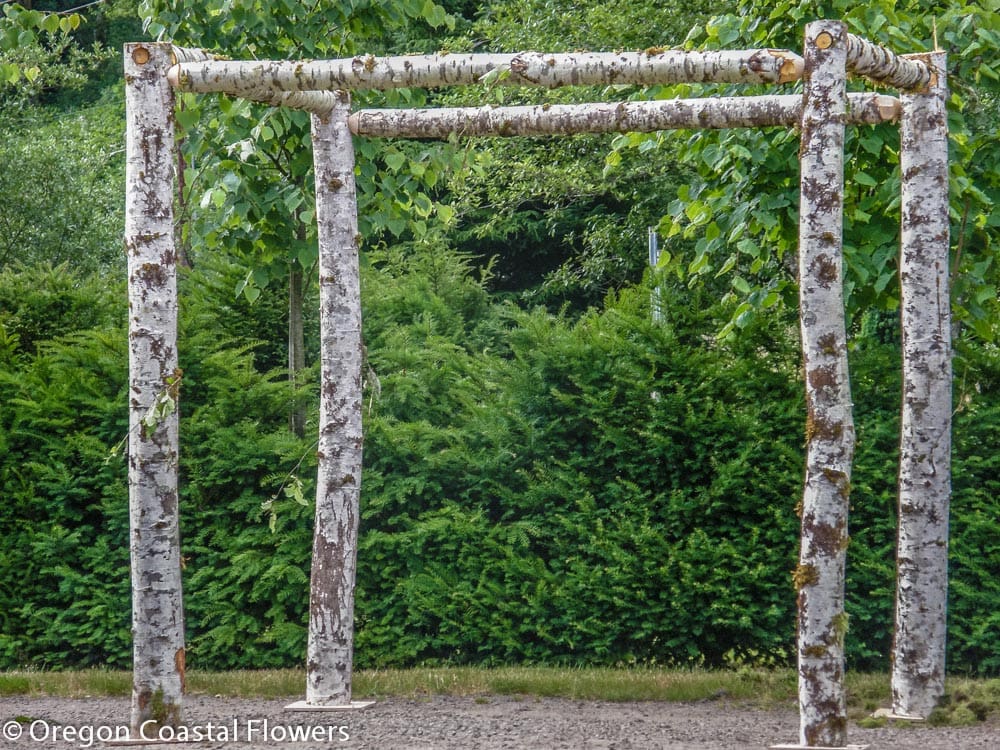
Organic wedding structures
Alder chuppahs, pergolas, and natural frames create a woodland setting for ceremony flowers and installations.
Year-round inquiries; custom work needs lead time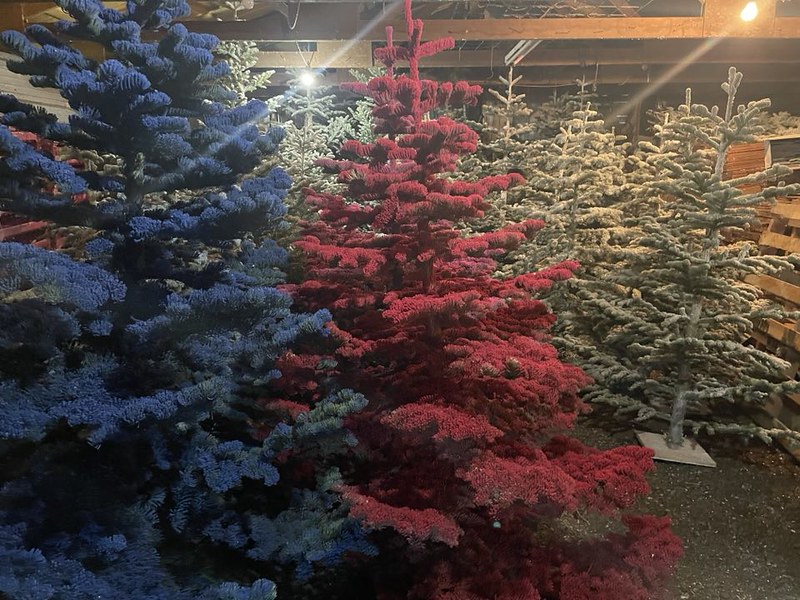
Christmas specialties
Northwest greens meet hand-finished holiday pieces: noble fir trees, flocked stars and snowmen, painted branches, and sparkling textures.
Holiday reservations & seasonal harvests