Flowering branches
Spring
Double Pink Cherry Shipped in Bud for Events
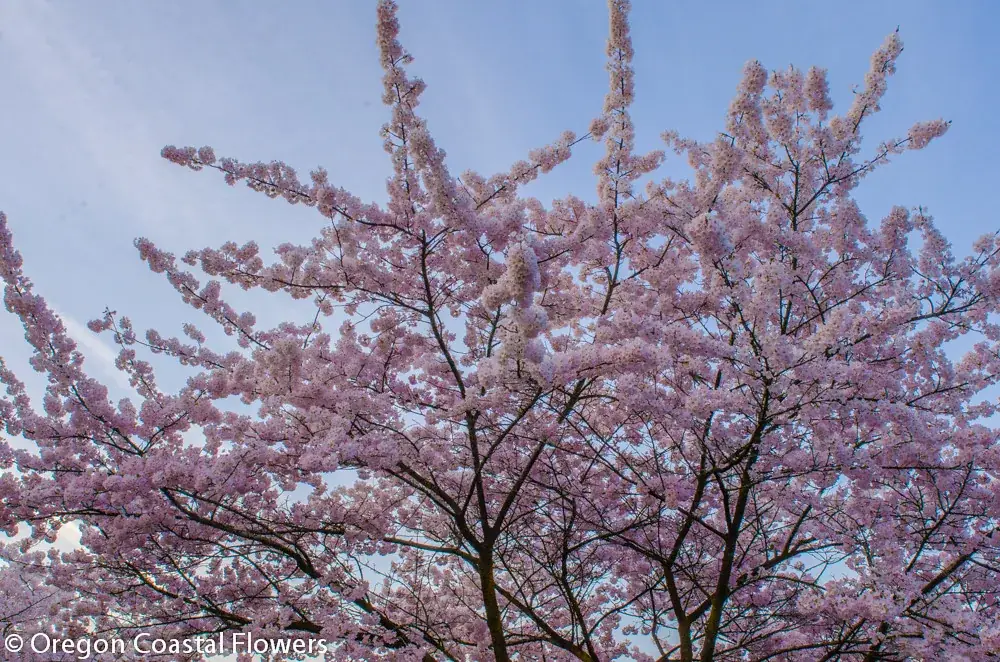
The post highlighted double pink cherry blossoms and bud-stage shipping timed toward a special event. The large flower form was central to the product.
Read the story ↗ Shop the fresh list
Explore our newsletter archive: hydrangea colors, flowering branches, forest textures, Christmas specialties, and the family behind Oregon Coastal Flowers.
These articles record past seasons. Product availability, prices, promotions, and event dates may have changed.
674 articles
Spring
The post highlighted double pink cherry blossoms and bud-stage shipping timed toward a special event. The large flower form was central to the product.
Read the story ↗Spring
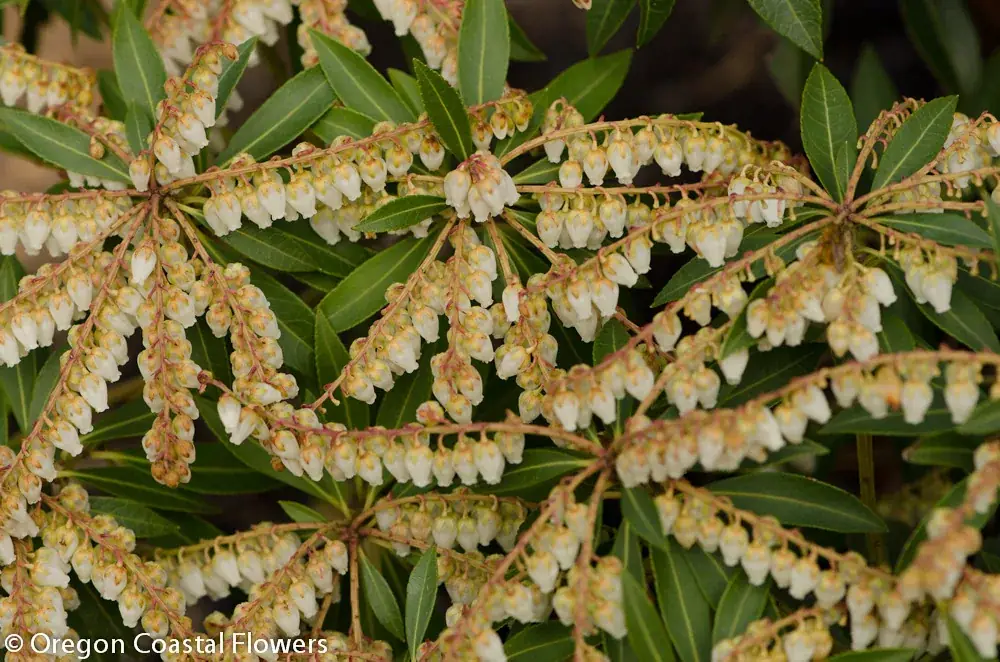
Pieris japonica, also called Andromeda, was described with delicate white bells on green stems. The article emphasized a short harvest.
Read the story ↗Spring
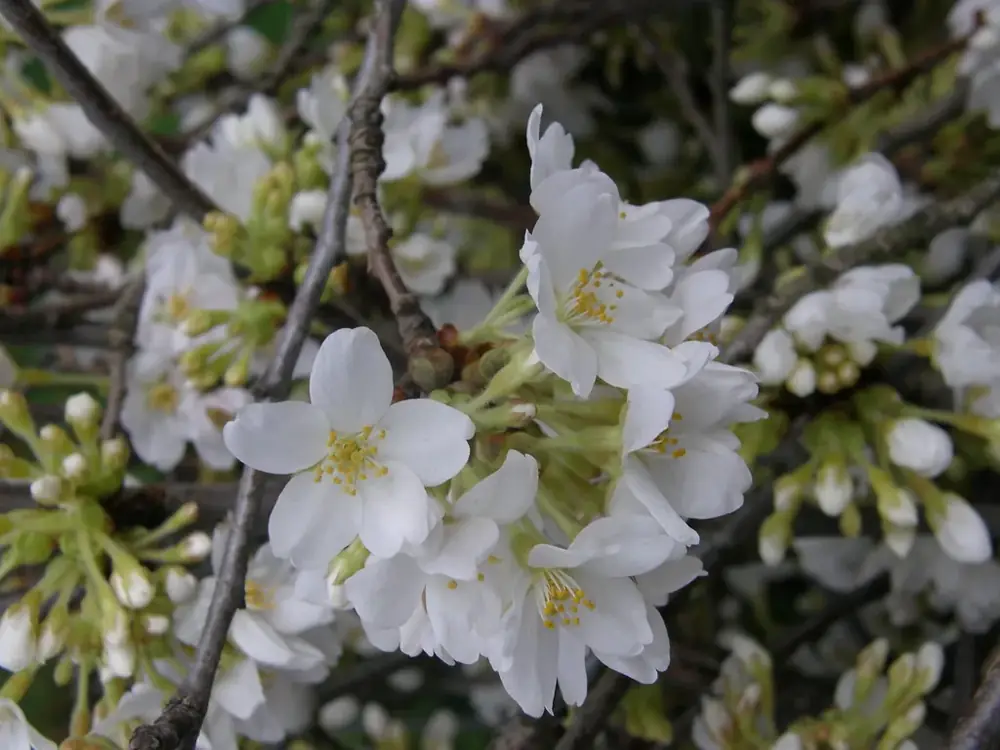
The article described abundant single white flowers grouped along the cherry stems. Its historical packing unit was a ten-bunch.
Read the story ↗Winter and spring
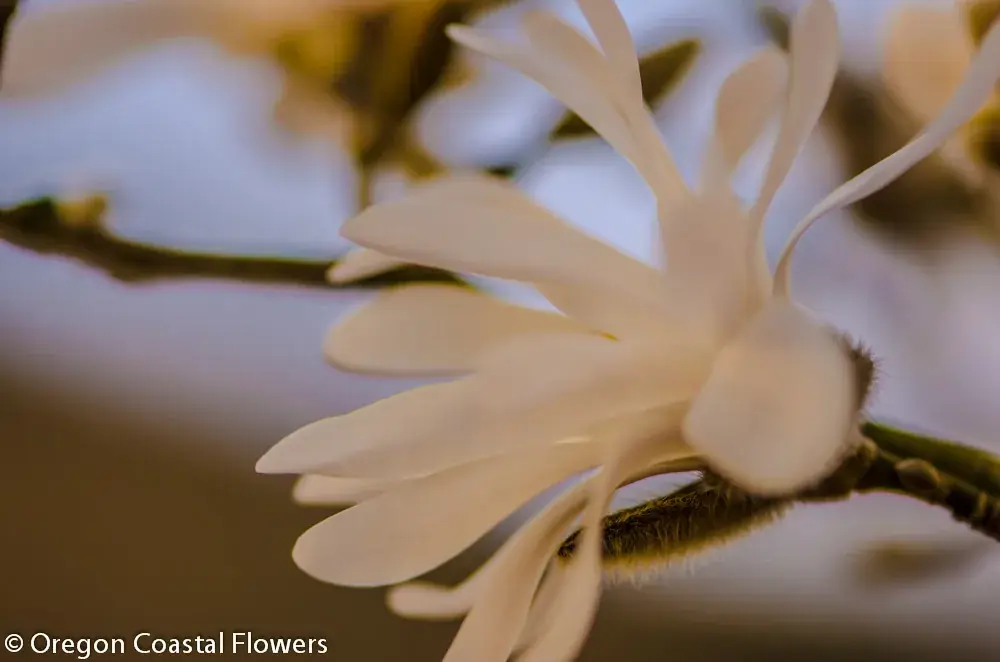
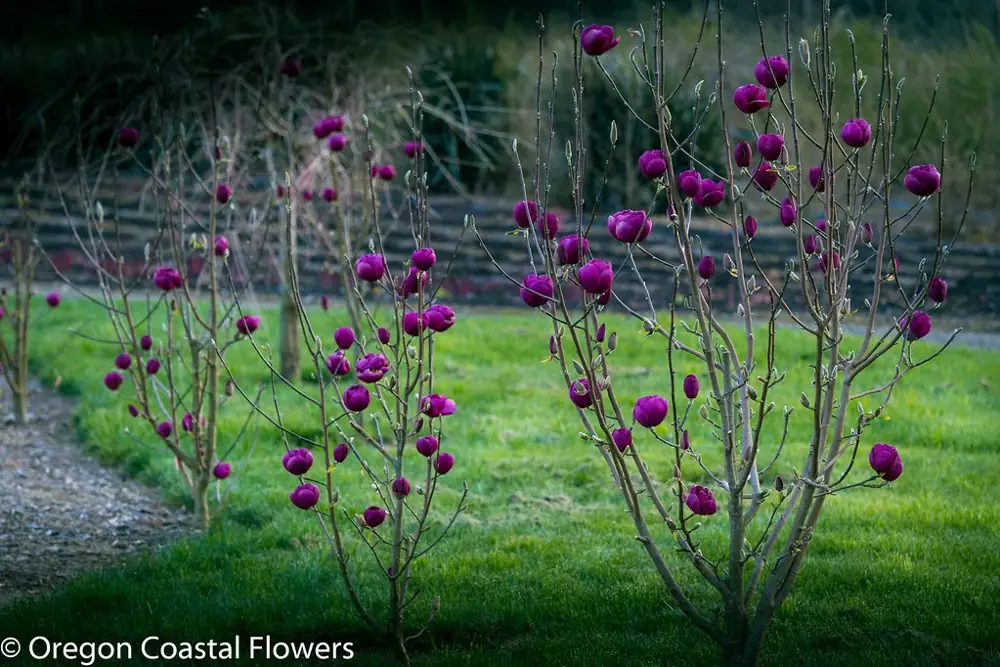
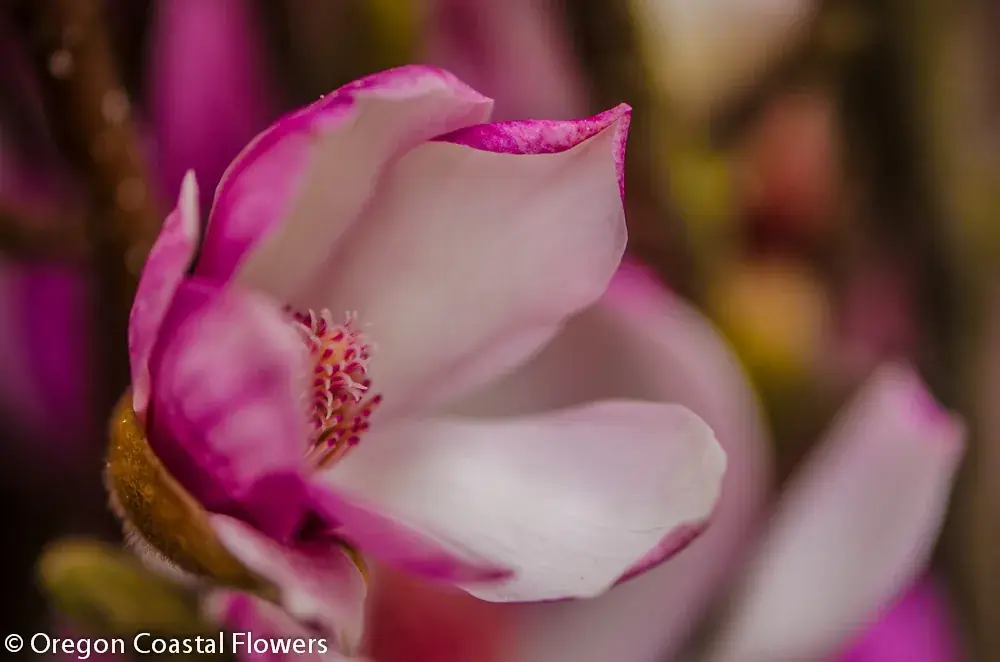
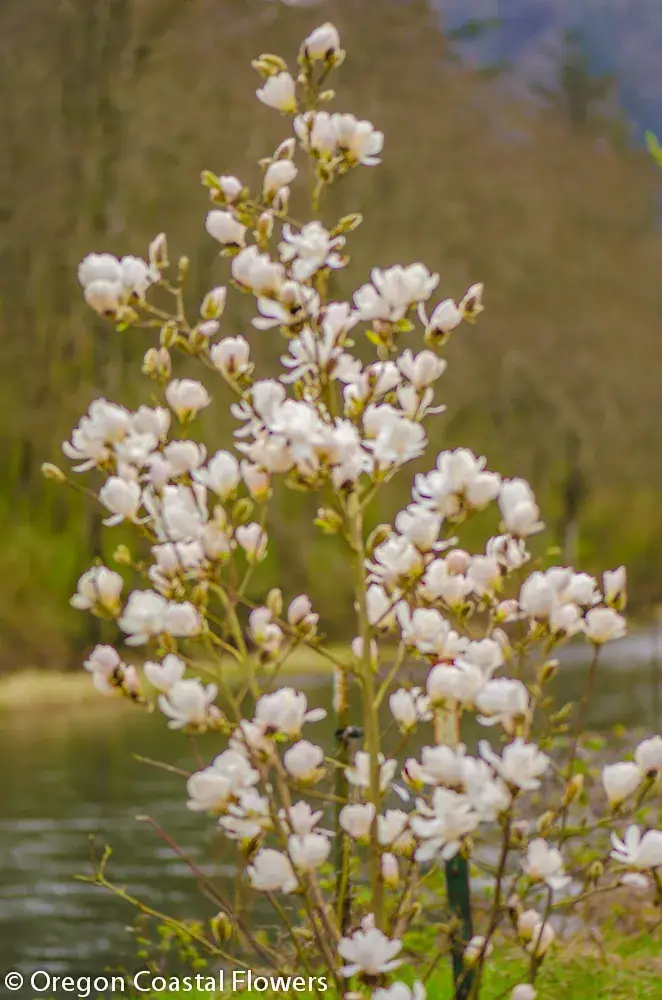
Tulip magnolia featured with large lavender-and-white flowers on substantial branching stems. The exterior color was lavender, opening to white with a pink.
Read the story ↗Winter
The source described stems loaded with yellow forsythia flowers for Lunar New Year and late-winter arrangements. Tips, medium, and tall were the historical size.
Read the story ↗Winter
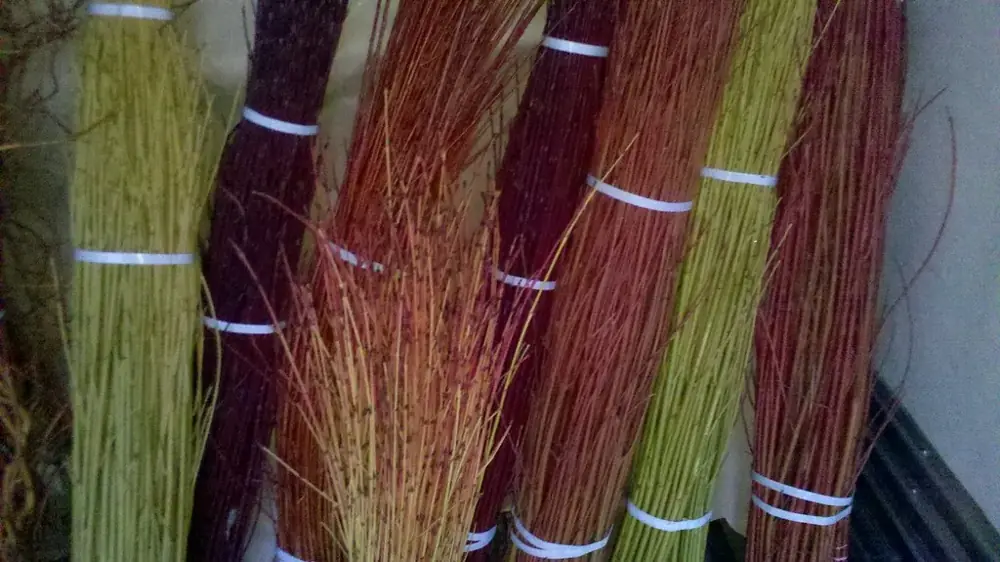
The original red-dogwood description specified solid-red, leafless stems with few laterals. It offered medium and tall grades for adding color and line to.
Read the story ↗Winter
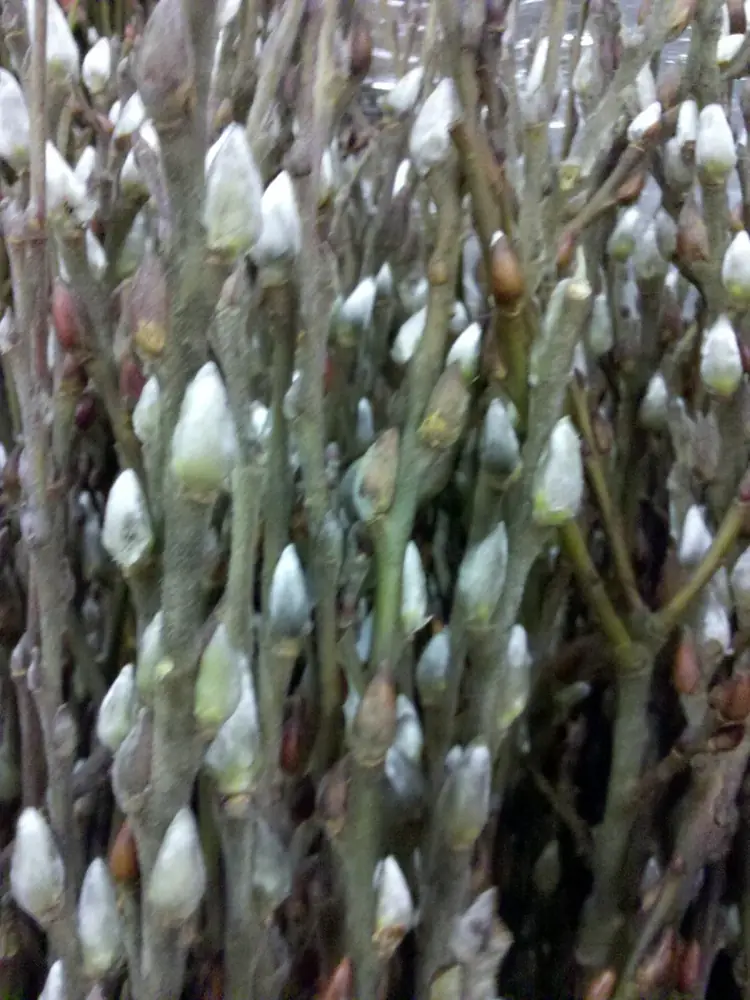
The article described pussy willow with plump fuzzy buds and bud shells removed. It presented the long-lasting stems as a way to bring the feel of spring.
Read the story ↗Winter
This peach article described delicate single pink flowers spaced along dark stems. The blossoms brought an early floral color to the winter branch.
Read the story ↗Winter
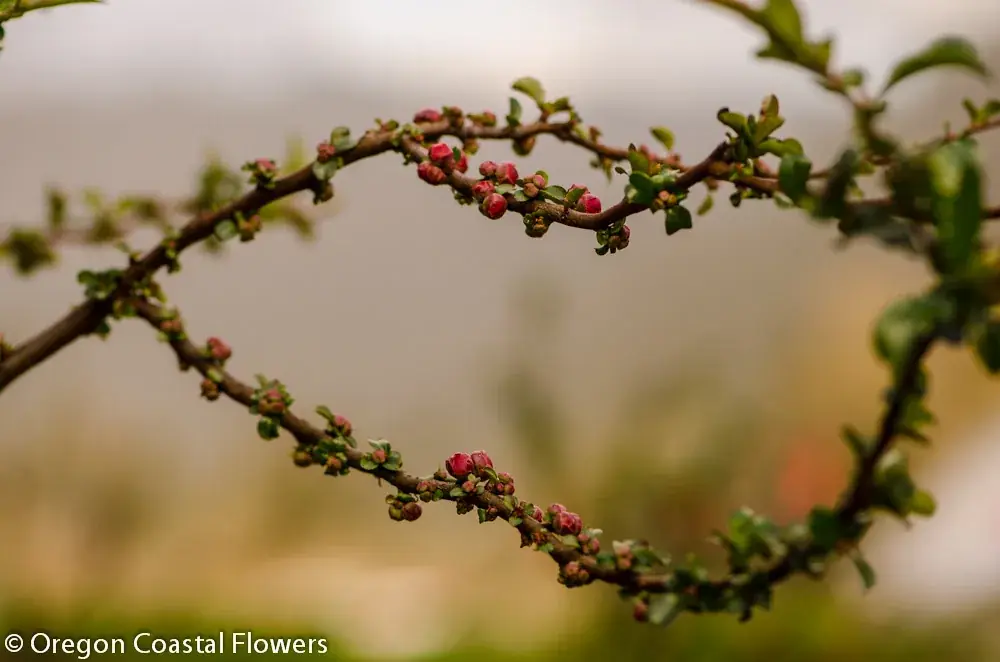
The article explains that flowering quince begins pale salmon and becomes darker salmon-pink later in the season. Its historical grades were tips, medium, and.
Read the story ↗Winter
The source featured locally cut, yellow-flowering forsythia for Chinese New Year, sold in wholesale bundles. Its color and timing were the core product.
Read the story ↗Winter and spring
This tulip-magnolia description contrasts lavender petal exteriors with white interiors. The large early-season blooms were offered for wedding and event.
Read the story ↗Winter
The article describes leafless tulip-magnolia branches with large buds and many laterals as decorative specimens. It also notes that warming might encourage bloom,.
Read the story ↗Winter
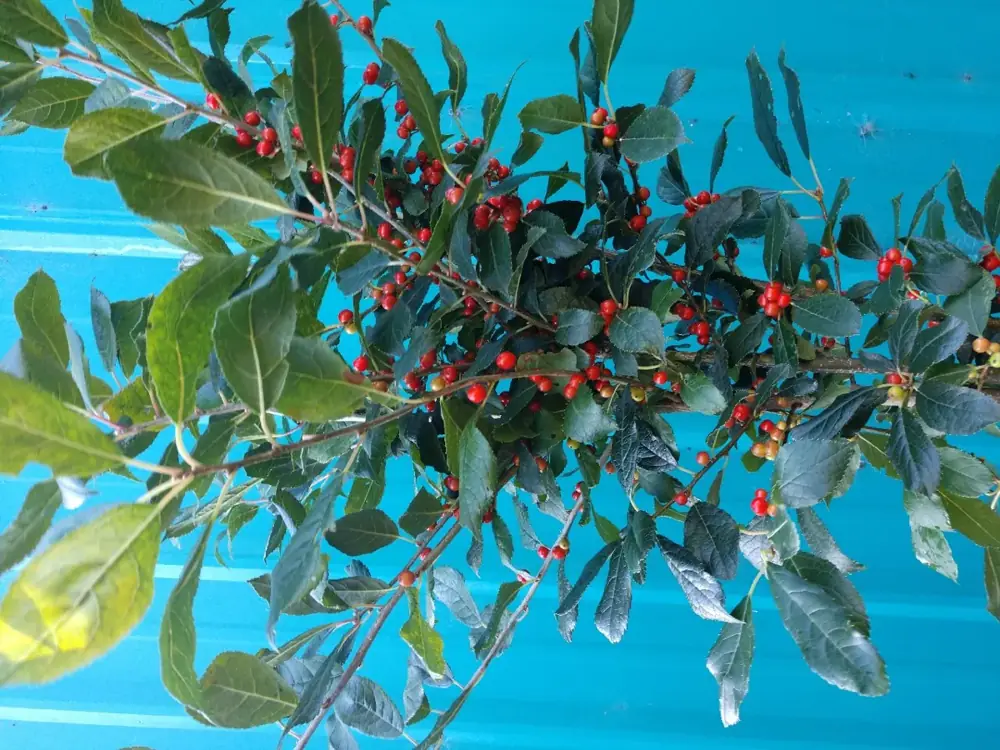
The original ilex offering emphasized abundant red berries on bare branches, used alone in a vase or among winter greens. It was presented in wholesale.
Read the story ↗Winter
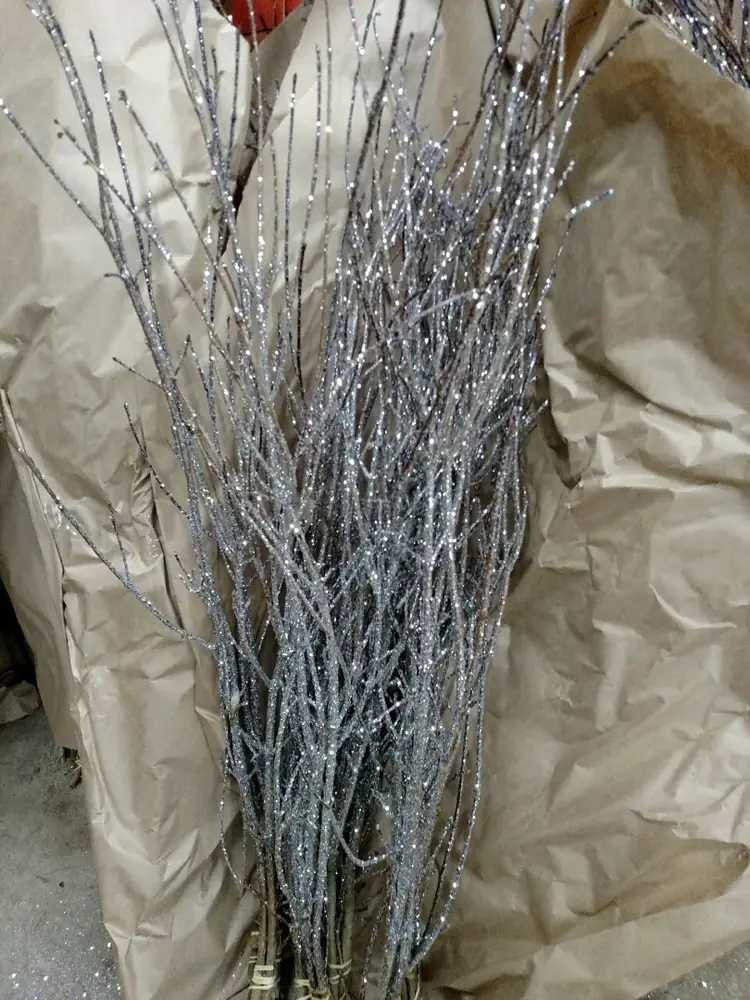
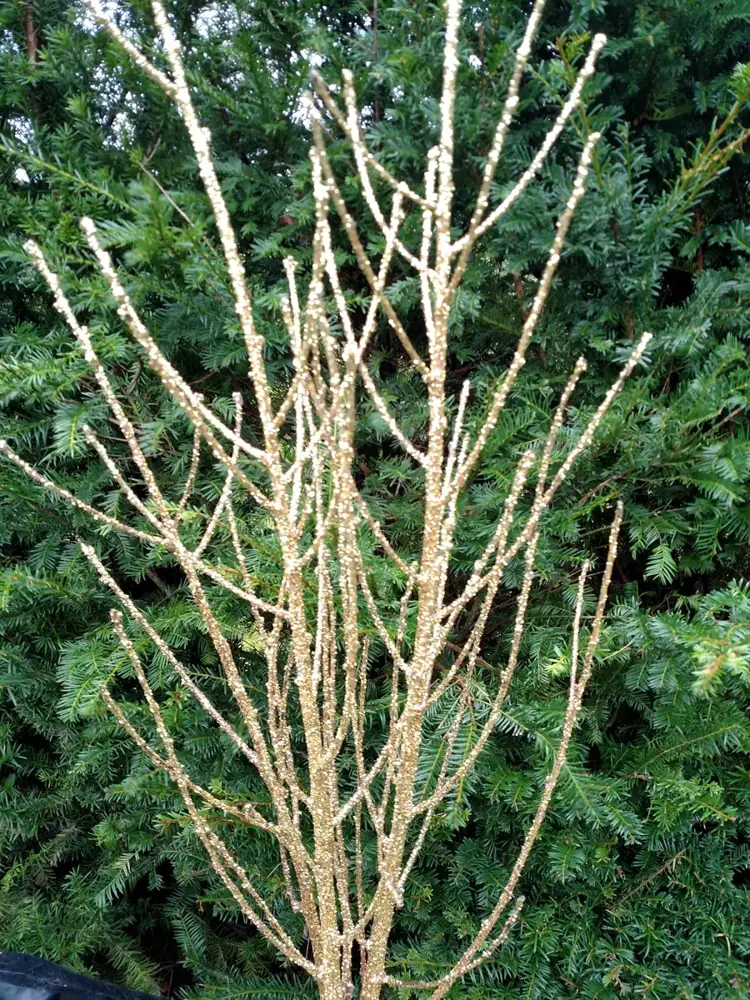
The source listed flowering dogwood, tulip magnolia, mountain huckleberry, budded forsythia, and other winter branches finished with gold or silver glitter. The.
Read the story ↗Winter
This archive records a photo poll in three categories: product photographs, farm photographs, and Oregon Coast photographs. Customers were invited to choose.
Read the story ↗Winter
The farm reported a major Tillamook flood on December 8–9, 2015, following more than fifteen inches of rain over four days. Virtually all of the farm’s sixty-four.
Read the story ↗Winter
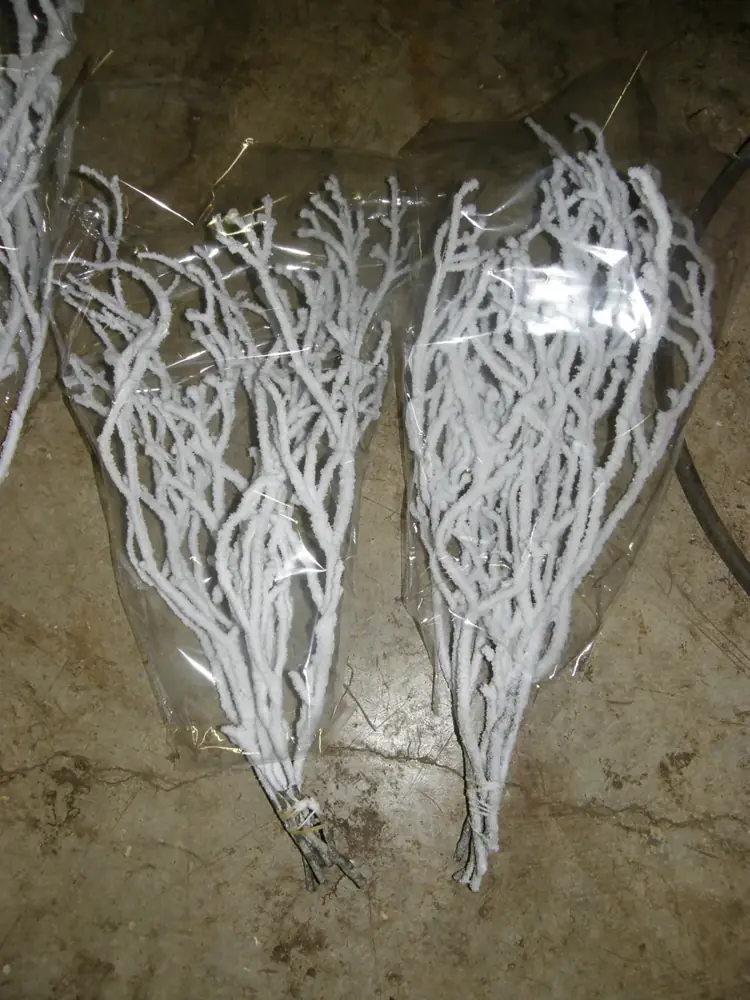
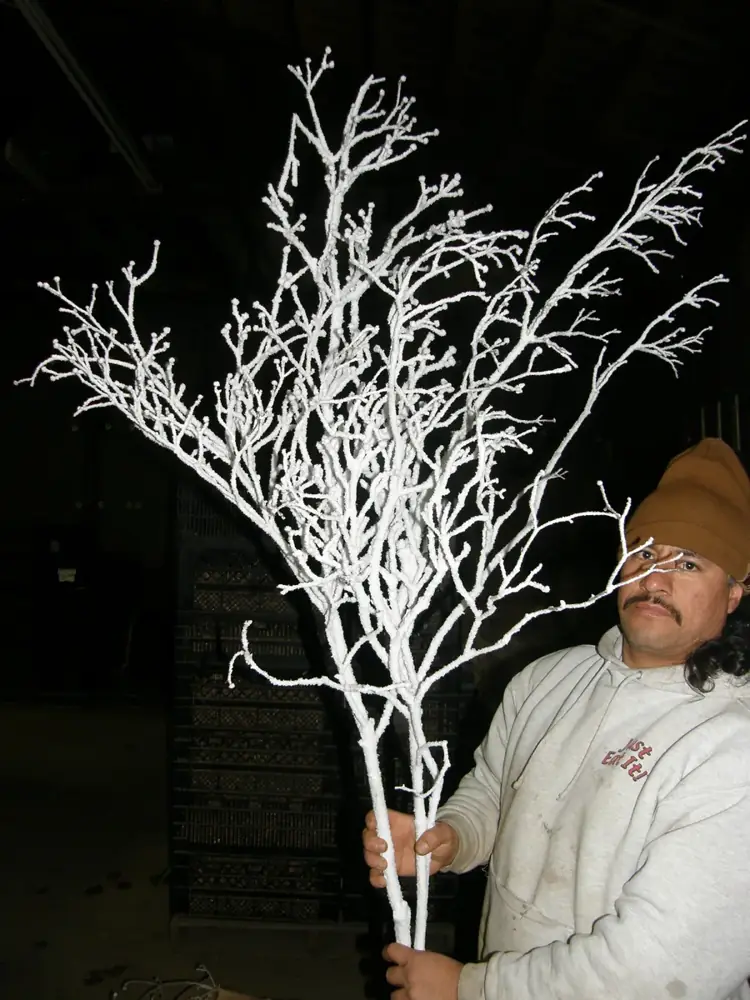
The source explains that the farm selected specimen branches with horizontal branching before flocking them for Christmas and winter decorating. The original.
Read the story ↗Winter
The article featured bare winter branches with laterals and buds, finished in gold or silver glitter. Suggested species included flowering dogwood, budded.
Read the story ↗Winter
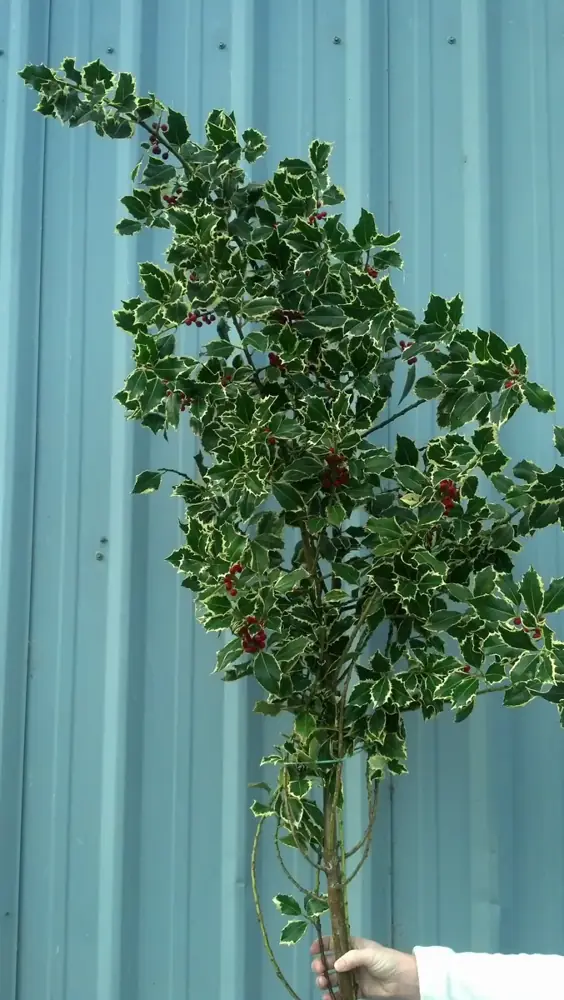
The original holly description identified green leaves with white margins and red berries. It recorded three branch sizes in the old wholesale.
Read the story ↗Winter
The source presented tulip magnolia and flowering dogwood for their buds and branching rather than promising flowers in a holiday display. The leafless structures.
Read the story ↗Winter
Tulip-magnolia buds at the ends of lateral branches were a defining feature of this white-flocked product. The historical offer used ten bunches per bundle and.
Read the story ↗Winter
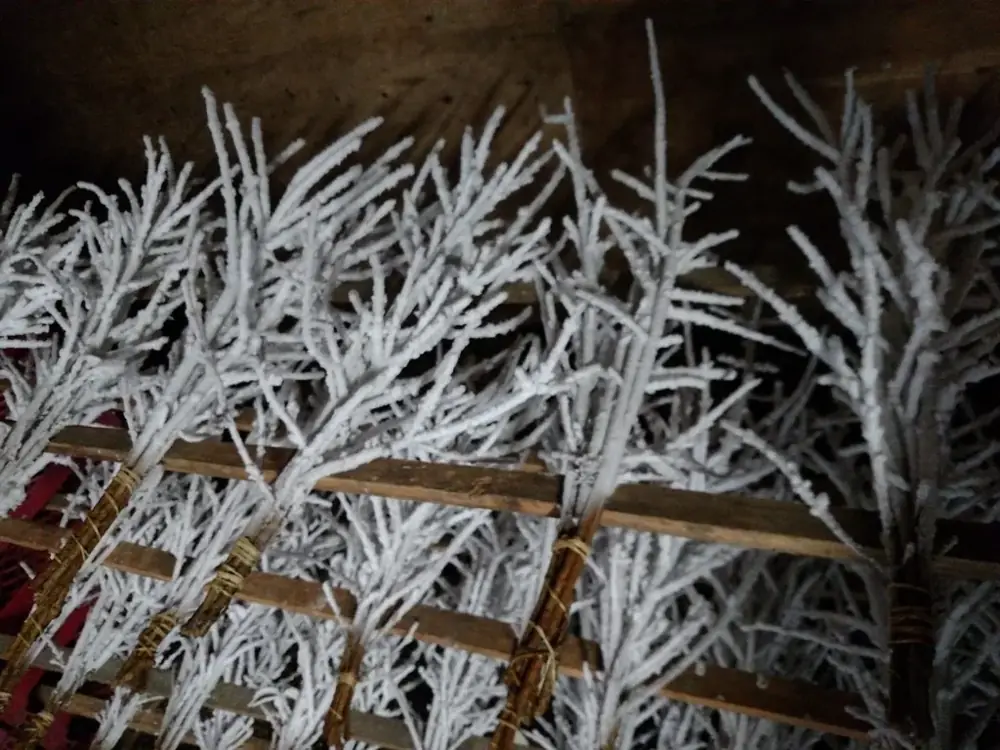
The source explains that the best available deciduous material, including dogwood or huckleberry, was selected for flocking. Tips, medium, and tall grades had many.
Read the story ↗Fall
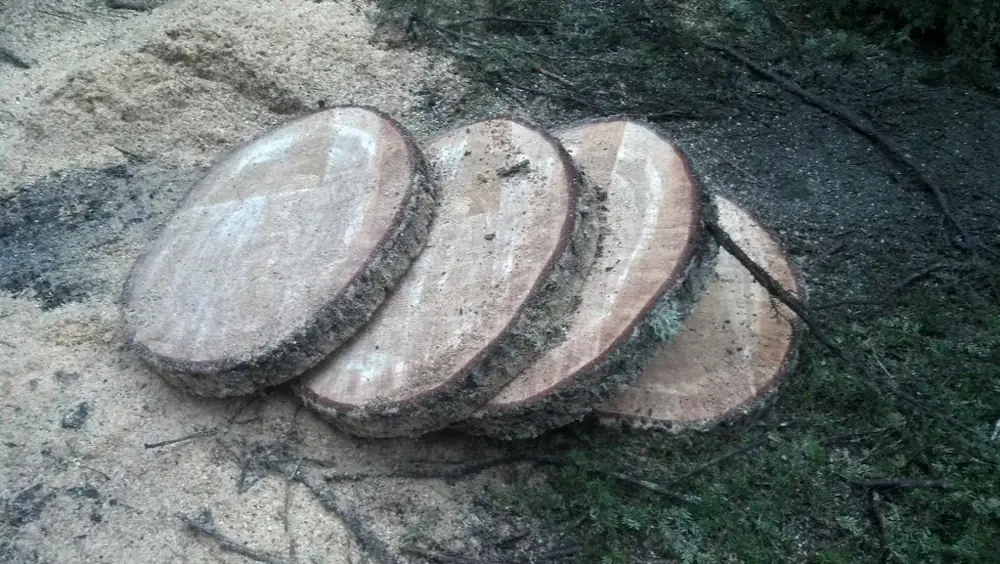
The source described round, hand-cut wood slabs with bark attached, commonly about two inches thick and four to fifteen inches across. It suggested cake displays,.
Read the story ↗Fall
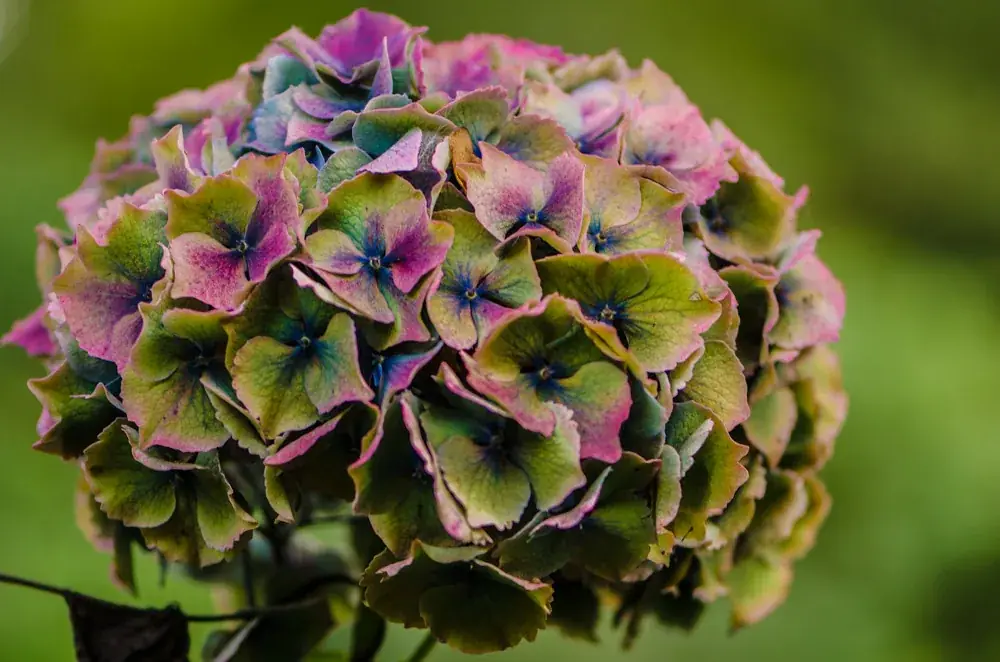
This late-fall hydrangea article explains that antique white flowers develop an aged green color. It recorded five-stem bunches in the historical.
Read the story ↗